Peppermint perfection: The benefits

I’m in love. I mean seriously - in love - with a little peppermint plant that I bought a few months back and that is now growing happily in my garden.
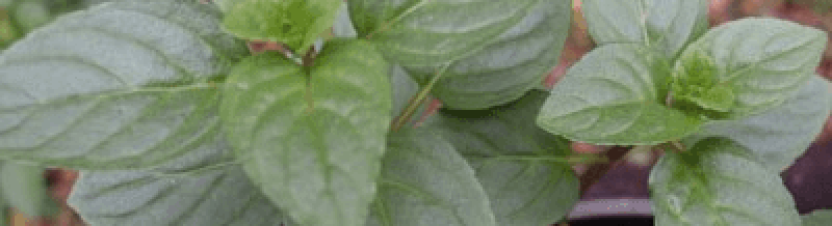
It is a Chocolate Mint plant, named apparently more for its brownish tinge to the stems and leaves than anything. But nonetheless, it does have a slight ‘chocolatey’ undertone to it’s glorious pepper-minty flavour.
Its botanical name is Mentha X piperita f. citrata ‘Chocolate’ and that’s a picture of it above.
This chocolate mint is a pretty ground cover with small leaves and an amazing taste.
I’m such a fan that I now use a little most days, chopped up and added to the fresh fruit and home made coconut yoghurt that I often have for lunch. It just adds a really nice touch of ‘minty freshness’.
Added to boiling water this little herb also makes a glorious tea!
I love it!
But then I’m a big mint fan. Always have been. I tend to adore all things ‘minty’ but peppermint IS my favourite.
The benefits and versatility of the humble Peppermint plant
Peppermint has so many uses and benefits that pretty much everyone is familiar with it’s taste. Most of us have consumed it in one form or another and for many it is an ingredient of many household staples. Examples of this are:
- Sweets
- Chocolates
- Chewing gum
- Toothpaste
- Herbal teas
- Herbal medicines
- Liniments and rubs for muscle or joint pain
- Liqueurs
- And even cigarettes!
.
The humble Peppermint plant really is used in a lot of products!
So let’s take a look at the amazing array of health benefits of Peppermint and some ways to use it.
- Soothes & relaxes the digestive system
- Helps to prevent and relieve indigestion
- Relieves flatulence
- Specific remedy for those with Irritable Bowel Syndrome or IBS
- Helps relieve infant colic
- Kills bacteria, parasites and viruses
- Great for colds, flu, and coughs - it’s both expectorant and decongestant.
- Can alleviate hay fever symptoms
- Eases nervous headaches including migraines
- Can reduce shingles pain when applied topically
- Decreases inflammation
- Helps to relieve muscles spasms and pain
- Enhances memory and increases alertness
- Reduces nausea (including that caused by chemotherapy)
- Inhibits the growth of some cancers
- Inhibits the herpes virus
- Relieves stress
- Increases concentration & stimulates the mind & body
- Freshens breath and whitens teeth
- It is cooling and refreshing
How to use Peppermint
Peppermint tea - Freshly picked, organic peppermint leaf fresh from the garden is obviously going to be best for you and will probably have the best flavour, however there are many brands of peppermint tea on the market these days that are very good (and some not so good - trial and error is key here) and there are many organic brands that are good quality and aren’t too expensive, so these are a great option if you can’t grow your own peppermint.
To make peppermint tea from fresh leaves just cover with boiling water and steep (preferably covered) for 5 minutes. Then remove the leaves and enjoy.
Other ideas for using fresh peppermint:
- Chop it up and add to salads
- Add to fresh fruit and/or yogurt
- Make your own fresh mint icecream (Yum!)
- Make your own mint liqueur
- Make your own mint sauce
- Use it in dressings
- Make your own Mojitas…
- Soak in cold water with fresh lime for a refreshing summer drink
- Experiment!
Peppermint essential oil is a useful addition to both the pantry and the medicine cabinet.
Here are a few ideas for using it:
- Vaporise peppermint oil alone or combined with other essential oils in an oil burner or electric vaporiser
- Add to a bowl of boiling water and inhale under a towel for colds, flu and coughs
- Add a few drops to a tissue or bedding and inhale for nasal congestion, sinus and coughs
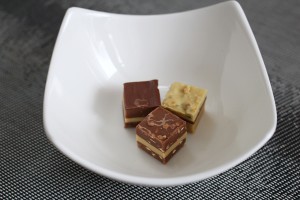
- Make your own after dinner mints using raw organic chocolate and pure organic peppermint oil
- Add to coconut oil, body cream or liniment and massage into tired, sore muscles or aching feet
- Add a few drops to water and to relieve indigestion or digestive upsets
- Dab a little on the temple to relieve headache (avoid the eyes!)
- Make your own natural toothpaste
- Sprinkle it on carpets to make your home smell great
- Add a few drops to shampoos and/or conditioners to balance the PH and improve the health of hair and scalp
- And again - experiment!
.
Note: Always use only PURE essential oils. Do not use ‘Fragrant oils’ as they are synthetic fragrances made from synthetic chemicals and are a completely different product that in my view is best avoided completely.
Also, use organic essential oils when possible to ensure purity, particularly when using as flavourings in food or other products.
A final note on mint
There are many different varieties of mint of which peppermint is only one. However peppermint probably is the best known of all the varieties and I would still bet that some people have never realised that the peppermint flavouring in their sweets and toothpaste actually originates from a plant!
The many varieties of mint provide many variations in flavour, with most having a flavour that is not as strong as peppermint, but instead being more sweet or spicey.
Mints do generally all have similar benefits to digestion and health and so can be used interchangeably in many cases. They are easy to cultivate and grow and can provide many benefits to both health and everyday recipes.
Be warned though that they can take over the garden and so general advice is to keep them contained either in a pot or by limiting their spread in the garden in some way. But don’t let that put you off. The humble mint has much to offer with little requirement from you.
Enjoy it and eat well! 
P.S. Peppermint and chocolate go so well together (I love, love love this combination). The next time you make something with chocolate, why not try adding a few drops of Peppermint essential oil to make it extra special?