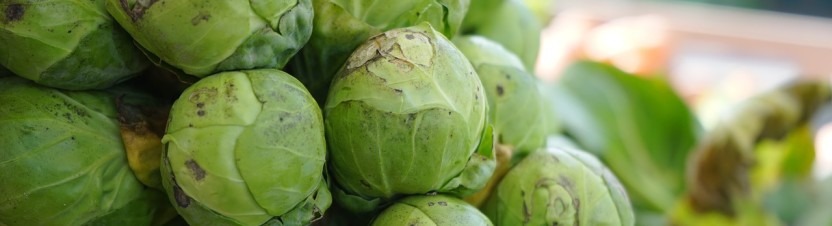
Brussels Sprouts: Nutritional Powerhouse

You probably remember Brussels sprouts as those small, round, green veggies that sometimes ended up on your plate as a child. They’re the ones that look like mini cabbages. (And yes - apparently the ‘s’ at the end of ‘Brussels’ is correct. It looks like most of us have been spelling it incorrectly for ever….)
Like most children, you probably didn’t like their strong flavour, or you may have screwed up your nose at the way they smelled while cooking. You might have even gagged at the table (like I did) when forced to eat them by well meaning adults.
Despite these little drawbacks however, they were put on your plate for good reason: they’re actually one of the world’s healthiest foods, making them a super healthy addition to your diet.
Those little veggies that look like mini-cabbages, are naturally alkaline foods, packed with vitamins and minerals that can do wonders for your body and your immune system. Not only are they highly nutritious, but they’re also extremely versatile and can be prepared in many different ways.
This means you have a variety of ways that you can add them to your diet, and you won’t ever get bored with these perfectly crafted vegetables provided by nature, for us.
What Are Brussels Sprouts?
Brussels sprouts don’t just look like mini-cabbages - they are! They’re actually members of the Gemmifera group of cabbages. These cabbages are grown for their edible buds, and they may have gotten their name from Brussels, Belgium, where they are believed to have originated and are highly popular. Ancestors of the modern Brussels sprout were most likely cultivated in ancient Rome, but the sprouts we know and love today were likely grown as early as the 13th century in Belgium.
A staple of Belgium for many years, Brussels sprouts have found popularity due to their high nutritional value and versatility in the kitchen.

Nutritional Value And Health Benefits
A small, leafy vegetable, Brussels sprouts are packed with protein, vitamins, fiber and many more nutrients.
No matter how they come, Brussels sprouts can offer you excellent nutrition. Packed with loads of good stuff from the earth and nature, these vegetables are a perfect addition to our diet that will help us maintain health and wellness.
When raw, Brussels sprouts are an excellent source of vitamin C and K and contain good amounts of B vitamins such as vitamin B6, folic acid, and other essential minerals. They are also a good source of protein and dietary fiber.
Like cabbages however, they can cause an overactive bowel if over consumed, so it’s important to eat them in moderation. As well as making you extra-regular, they can also cause gas and bloating if eaten too much.
Brussels sprouts are also a great source of vitamin A, which is an antioxidant required for maintaining healthy mucus membranes, skin, and promoting optimal eye health. Foods and veggies rich with vitamin A have been known to offer protection against some cancers such as oral cavity and lung cancer. The extent of cancer-protection in Brussels sprouts as well as other Brassica vegetables have been quite well researched, and promising findings hint that this veggie helps fight cancer causing agents while also cleansing the body of many toxins.
Brussels sprouts are also one of the leading vegetable sources of vitamin K, which is important for bone health and preventing diseases and disorders of the bones such as osteoporosis.
In addition to these nutrients, Brussels sprouts are an excellent source of the following minerals: copper, iron, manganese, calcium, potassium, and phosphorus.
Unlike some plant-based foods, Brussels sprouts are not necessarily used for specific problems, but this is because they are so rich in vitamin and minerals, they are simply a highly nutritious addition to any diet.
As already mentioned, Brussels sprouts have the potential to help with a number of health problems and provide the body with the support it needs to build strong bones, remove toxins, clean up cancer-causing agents, regulate metabolism, promote strong muscles, oxygenate the blood, and much, much more. These superfoods are a do-it-all veggie that promote optimal health and wellbeing.

How They’re Prepared
Adding Brussels sprouts to your diet is incredibly easy because they can be prepared in so many different ways: Oven roasted Brussels sprouts; stir-fried; baked, shredded sprouts; parmesan sprouts; breaded; and raw are just a few ways to prepare these miniature cabbages. There are many oven roasted recipes that can be made with crumbled bacon, onion and fresh garlic. Yum!
They can also be added to soups, salads, casseroles, pasta dishes, vegetable loafs, and used as garnish around poultry and fish. There’s truly no right or wrong way to cook these, so simply find a recipe that intrigues you (like this recipe for Brussels sprouts and Cranberries - brought to you by the awesome folk that wrote this top selling Paleo recipe book) and get cooking!
Created By Nature, Made for You
So there we go. Although Brussels sprouts may have gotten a bad reputation when you were a child, you can now look at them with new eyes. These little vegetables are super good for you and provide many benefits for your body and wellbeing. When eaten in moderation, these beauties will keep you regular, have you feeling great, and inspire you to create a healthy diet around them and their health benefits.
Mum always said ‘eat your vegetables’, and she was right!